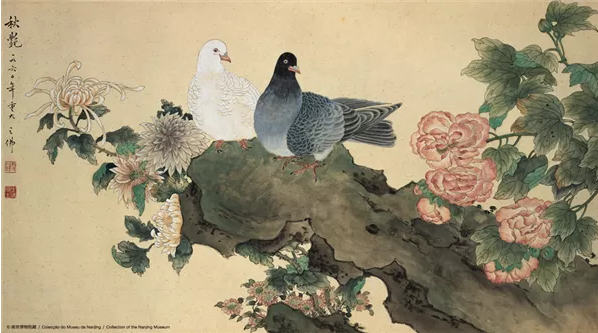
Flower and Bird Painting
Introduction
Flower and bird painting is a traditional Chinese art form that focuses on the depiction of plants and animals, especially flowers and birds. This genre of painting is recognized for its delicate and poetic expression, often embodying the artist's emotions and philosophy. It is one of the major streams of Chinese painting, alongside landscape painting and figure painting. This art form has been an integral part of Chinese culture for centuries, celebrated for its aesthetic appeal and symbolic meanings.
Historical Context
The history of flower and bird painting can be traced back to ancient China, where it evolved during various dynastic periods, reflecting the cultural and artistic changes of the time. However, it was during the Song Dynasty (960-1279) that flower and bird painting reached its zenith. Artists like Emperor Huizong of the Song Dynasty were known for their exquisite works in this genre, often painted on traditional Chinese tuanshan, or round fans. This period saw the development of two major styles: the meticulous court style and the spontaneous, expressive style.
Techniques and Styles
Flower and bird paintings are characterized by their varied techniques and styles. The meticulous court style, known as "gongbi”(工笔) involves detailed brushwork and vibrant colors, often associated with imperial commissions. In contrast, the spontaneous style, or "xieyi"(写意) emphasizes freehand brushwork and an impressionistic use of color, focusing more on capturing the essence or spirit of the subject rather than its literal appearance. This versatility allows artists to express a wide range of emotions and philosophical ideas.
Symbolism and Themes
In flower and bird painting, each element often carries symbolic meaning. Flowers, for example, may represent seasons, virtues, or traditional values. Birds can symbolize freedom, love, or fidelity. These paintings often reflect the artist's personal thoughts or social ideals, serving as a medium for philosophical exploration. The use of symbolism in these paintings not only enhances their visual appeal but also imbues them with deeper meanings.
Notable Works and Artists
Throughout history, numerous artists have made significant contributions to the field of flower and bird painting. In addition to Emperor Huizong of the Song Dynasty, modern artist Chen Zhifo (1896-1962) is renowned for his meticulous flower and bird paintings. His works, which span different periods, showcase his innovative approach to blending traditional techniques with modern influences. Chen's paintings are known for their intricate detail and vibrant color palette, reflecting his deep appreciation for the natural world.
Modern Influence and Exhibitions
Today, flower and bird paintings continue to captivate audiences both in China and worldwide. Exhibitions showcasing these artworks are held in various cultural institutions and museums. For instance, during the Art Macao festival, the Macao Museum of Art collaborated with the Nanjing Museum to display Chen Zhifo's works. Such exhibitions not only celebrate the rich heritage of flower and bird painting but also highlight its ongoing relevance and influence in contemporary art.
Cultural Significance
Flower and bird painting holds a significant place in Chinese cultural heritage, embodying the harmony between nature and humanity. It serves as a reflection of the Chinese philosophy of balance and the appreciation of beauty in simplicity. This art form's enduring appeal lies in its ability to convey profound emotions and philosophical concepts through the delicate interplay of line, color, and composition.








